I care about what happens after the boxes and arrows: who owns it, what it costs to change, where it breaks, and whether the team can actually run it.
01 /Selected public work
Things I can point to.
Conversations and projects with sources you can follow.
Delivery / 2025
Yoga Democracy
I joined Yoga Democracy CEO Jeff Cannon to discuss the company’s move from Shopify to Salesforce Commerce in six weeks: what the constraint changed, how we thought about time to value, and why the technology decision had to remain adaptable.
Salesforce included my perspective in the public Storefront Next launch. My point was simple: better tooling can remove drag, but it cannot compensate for a team that does not understand the work.
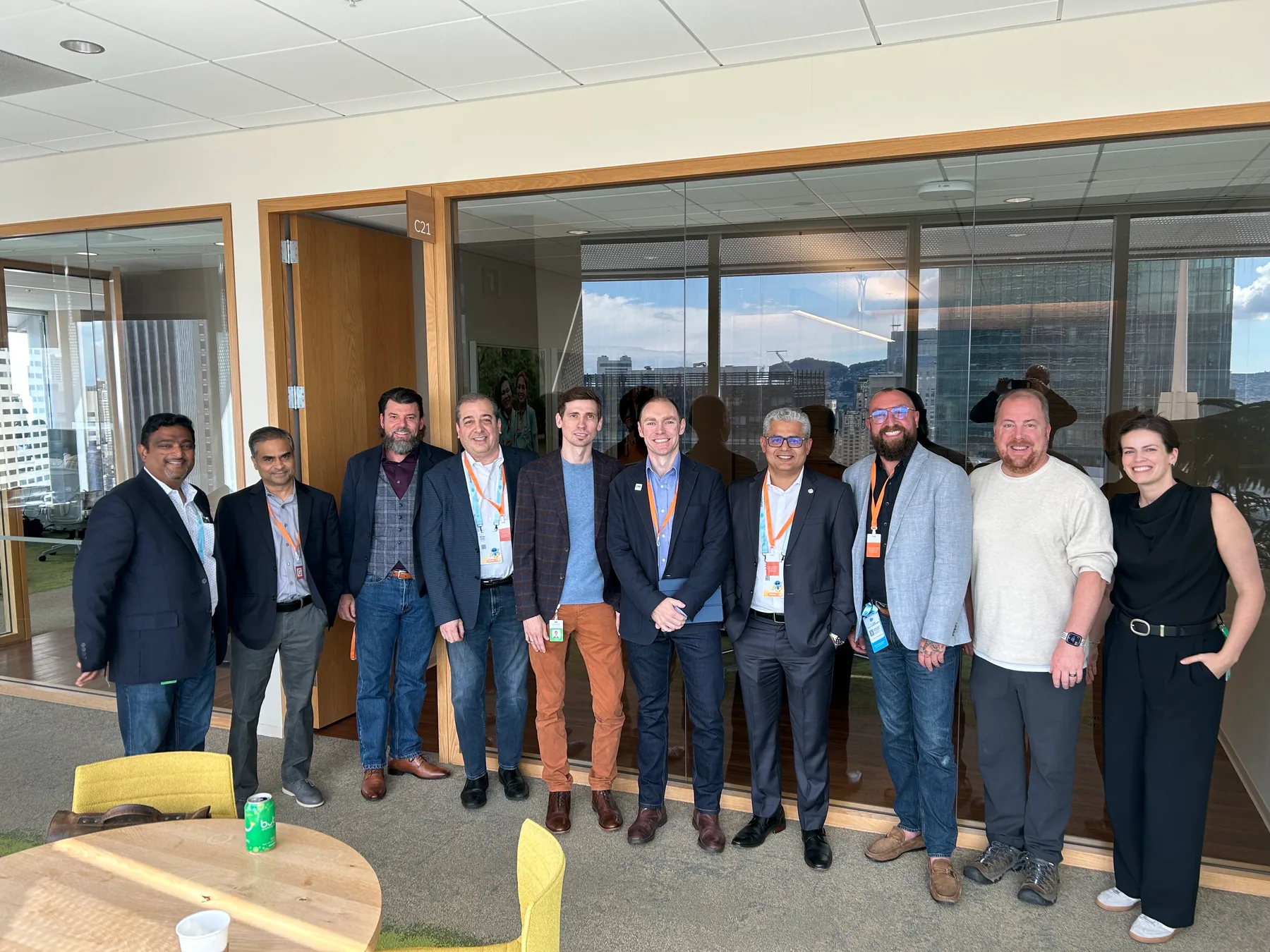
I moderated a practical discussion with people from Algolia, Netlify, and Stripe about search, content, payments, performance, and the operating consequences of a composable storefront.
I wanted to see how far AI could take a real commerce implementation, and where I would still need to step in.
Question /
What can AI actually build?
Scope /
Storefront, catalog, integrations, content, deployment, and testing.
Tracking /
Speed, interventions, rework, failures, and repeatability.
The scope includes the storefront, content, catalog tooling, integrations, deployment, and tests. I keep the mistakes and interventions visible because “AI built it” leaves most of the useful questions unanswered. What got faster? What needed rework? Could another team own the result?